

Every year on March 6th, patients, advocates, healthcare providers, and researchers around the world come together to observe World Lymphedema Day. It’s a day dedicated to raising awareness about conditions that affect the lymphatic system, conditions that impact millions of people worldwide but remain widely misunderstood, frequently misdiagnosed, and consistently underserved by the broader healthcare system.
At the Laser Lipo and Vein Center, we believe awareness is the first step toward better outcomes. For our patients, many of whom have spent years searching for answers, having their condition recognized and properly named can be genuinely life-changing.
Here’s what you need to know about lymphedema, its close cousin lipedema, and the ways proper treatment can help.
What Is the Lymphatic System?
Before we can talk about lymphedema, it helps to understand what the lymphatic system actually does.
The lymphatic system is a network of vessels, nodes, and organs that runs throughout the body. Its job is to collect excess fluid from the body’s tissues, filter it, and return it to the bloodstream. It also plays a central role in immune function, helping the body identify and respond to infection.
When the lymphatic system is functioning properly, this process happens continuously and invisibly. When something disrupts that function, whether due to damage, blockage, or an underlying condition, fluid begins to accumulate in the tissues. The result is lymphedema.
What Is Lymphedema?
Lymphedema is a chronic condition characterized by swelling, most commonly in the arms or legs, caused by a buildup of lymphatic fluid. There are two primary types:
Primary lymphedema results from a malformation or abnormality of the lymphatic system that is present from birth or develops during puberty or adulthood. It is not caused by an external injury or treatment.
Secondary lymphedema is caused by damage to or removal of lymphatic vessels or nodes. The most common cause in the United States is cancer treatment, particularly surgery or radiation for breast cancer, where lymph nodes are frequently removed or irradiated as part of treatment.
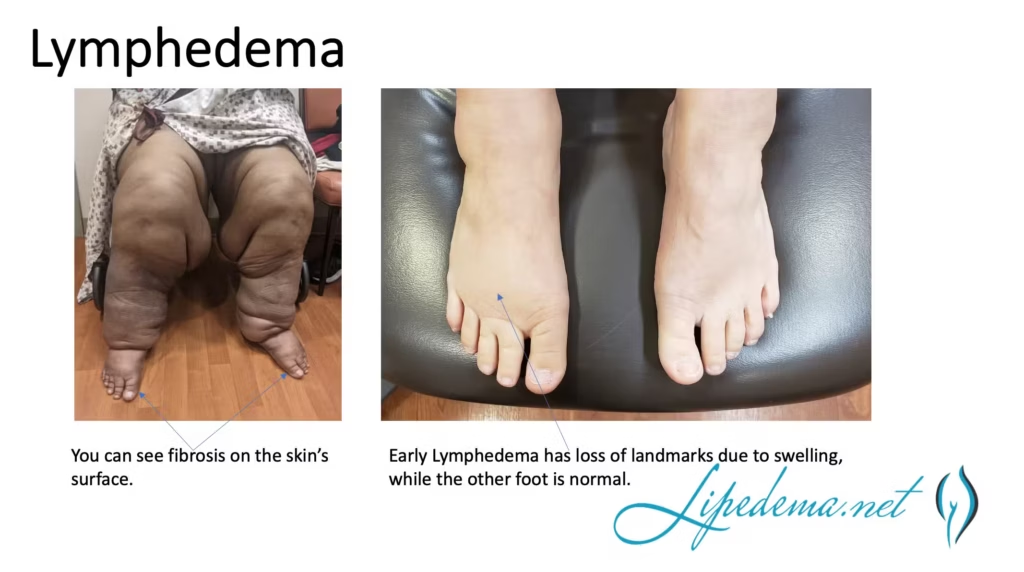
Other causes of secondary lymphedema include infection, trauma, and inflammation.
Common signs of lymphedema include:
- Swelling in part or all of an arm or leg, including fingers or toes
- A feeling of heaviness or tightness in the affected limb
- Restricted range of motion
- Recurring infections in the affected area
- Skin changes including thickening or hardening over time
- Aching or discomfort
Lymphedema is a lifelong condition, but it is manageable with the right care. Early diagnosis and treatment are key to preventing progression and maintaining quality of life.
Lymphedema vs. Lipedema: Understanding the Difference
These two conditions are often confused, even by healthcare providers, but they are distinct diagnoses with different causes and treatment approaches.
Lymphedema starts as a fluid issue. There is a blockage or a lack of lymphatic structures which result in the fluid build up, but then adipose tissue and protein deposition occurs, causing the tissue to harden. This compromised lymphatic system can cause swelling in any affected part of the body, though the limbs are most commonly involved.
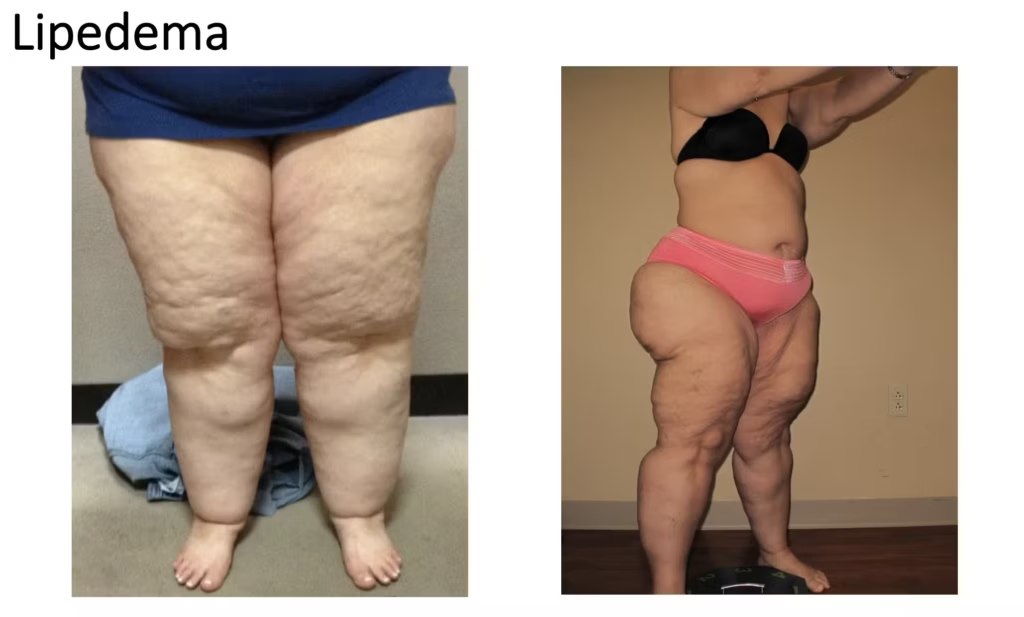
Lipedema is primarily a fat tissue disorder. It is characterized by an abnormal accumulation of fat in the legs, thighs, and sometimes arms, almost exclusively in women, that is disproportionate to the rest of the body and resistant to diet and exercise. Swelling also occurs with Lipedema, and lipedema fat is characteristically painful to the touch.
As lipedema progresses, it can begin to compress and damage the lymphatic vessels, leading to a combined condition called lipo-lymphedema. This overlap is one reason the two conditions are so frequently confused.
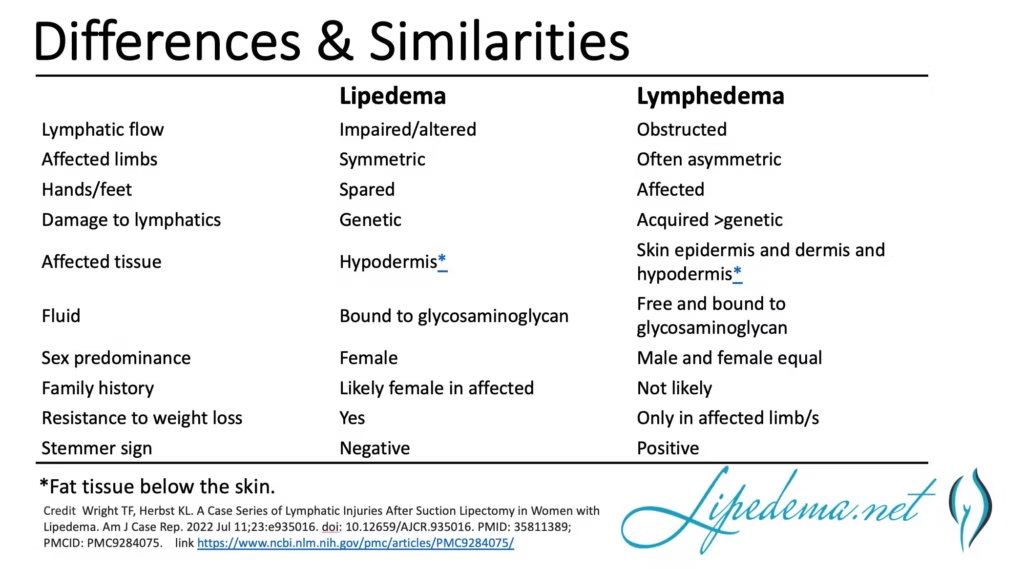
Key differences at a glance:
- Lipedema affects almost exclusively women; lymphedema affects men and women
- Lipedema fat is relatively resistant to weight loss; lymphedema swelling is fluid, but over time can develop into fat accumulation
- Lipedema typically begins at puberty or another hormonal transition; lymphedema can develop at any age
- Lipedema causes pain and tenderness in the affected tissue; pure lymphedema is typically not painful
- Lipedema does not typically affect the hands and feet; lymphedema often does
Both conditions deserve proper diagnosis and specialized care. Unfortunately, both are also frequently dismissed or misdiagnosed, with patients told to simply “lose weight” or assured that their symptoms are normal when they are not.
Why Misdiagnosis Is Such a Problem
One of the most important conversations happening on World Lymphedema Day is about the diagnostic gap for both Lymphedema and Lipedema. Studies suggest that the average lipedema patient sees multiple providers over many years before receiving an accurate diagnosis. Many patients are told their swelling or weight is a result of poor lifestyle choices, a message that is not only inaccurate but deeply harmful.
The consequences of delayed diagnosis of both Lymphedema and Lipedema are real:
- Conditions progress when left untreated, sometimes significantly
- Patients pursue weight loss interventions that cannot address the underlying issue and feel like repeated failures
- Mental health suffers, with high rates of anxiety, depression, and body image distress reported among undiagnosed patients
- Treatment becomes more complex and costly the longer it is delayed
Awareness campaigns like World Lymphedema Day matter because they put information directly into the hands of patients. When patients have language for what they’re experiencing, they can seek out providers who specialize in these conditions and advocate more effectively for themselves.
Treatment Options at the Laser Lipo and Vein Center
Dr. Thomas Wright is one of Missouri’s leading specialists in the treatment of lipedema and lipo-lymphedema. His approach combines deep medical expertise with genuine compassion for patients who have often endured years of confusion and frustration before finding his practice.
Lymph-Sparing Liposuction for Lipedema For appropriate candidates, Dr. Wright performs specialized liposuction designed to remove lipedema fat tissue while carefully protecting the lymphatic vessels. This technique is very different from standard cosmetic liposuction, it requires specific training and experience with lipedema anatomy. Lymph-sparing liposuction can significantly reduce pain, improve mobility, and slow the progression of the condition. Many patients report dramatic improvements in quality of life following surgery.
Conservative Management and Referral Not every patient is a surgical candidate, and Dr. Wright’s approach always begins with a thorough evaluation. Conservative management strategies, including compression therapy, manual lymphatic drainage, and movement programs, can play an important role in managing both lymphedema and lipedema, particularly in earlier stages or as a complement to surgical treatment.
Comprehensive Evaluation Because lipedema and lipo-lymphedema present differently in every patient, proper evaluation is essential before any treatment plan is developed. Dr. Wright takes time to understand each patient’s history, symptoms, and goals.
Supporting the Broader Lymphedema and Lipedema Community
Dr. Wright and the team at Laser Lipo and Vein Center are actively involved in patient education and professional advocacy in this space. Dr. Wright’s connections to organizations like the National Lymphedema Network and his participation in professional medical conferences reflect a commitment to advancing care for patients with these conditions, not just treating them one by one, but contributing to a broader movement for better awareness, better research, and better outcomes.
You Deserve Answers
If you suspect you may have lymphedema or lipedema, or if you’ve been struggling with swelling, pain, or unexplained changes in your legs or arms and haven’t gotten clear answers, World Lymphedema Day is a meaningful opportunity to take the next step.
You don’t have to keep wondering. You don’t have to accept vague explanations or be told your symptoms are just part of life.
Dr. Wright serves patients throughout St. Louis, O’Fallon, and the greater Missouri region and specializes in evaluating and treating complex lymphatic and fat disorders. Contact the Laser Lipo and Vein Center today to schedule a consultation. Getting answers is the first step toward feeling better, and you deserve both.